Packaging and Cardboard Disposal for Businesses: Sustainability Tips

Packaging and Cardboard Disposal for Businesses: Sustainability Tips
You know that feeling at 4:55pm on a rainy Thursday when the back-of-house is stacked with boxes, the tape gun is still humming, and someone asks, "Where does this go again?" We've all been there. Cardboard everywhere. Bins overflowing. A quiet guilt about waste and a louder worry about costs. Truth be told, packaging and cardboard disposal for businesses sits right at the intersection of sustainability, safety, and saving money. And when you get it right, it's not just cleaner--it's smarter. Clean, clear, calm. That's the goal.
This long-form guide is designed to be your dependable companion. No fluff. Just practical steps, a bit of UK-specific law you can actually use, and sustainability tips that deliver measurable wins. You'll find expert advice on right-sizing packaging, segregating cardboard like a pro, and setting up systems that work on a hectic Tuesday and a chaotic Black Friday. We'll talk cost, compliance, carbon--and yes, those little everyday moments that make real change possible.
Ever tried clearing a stockroom and found yourself keeping everything "just in case"? It happens. But once you've got a simple, repeatable process, those rooms breathe again. The air smells less like cardboard dust and solvents, and more like a well-run operation.
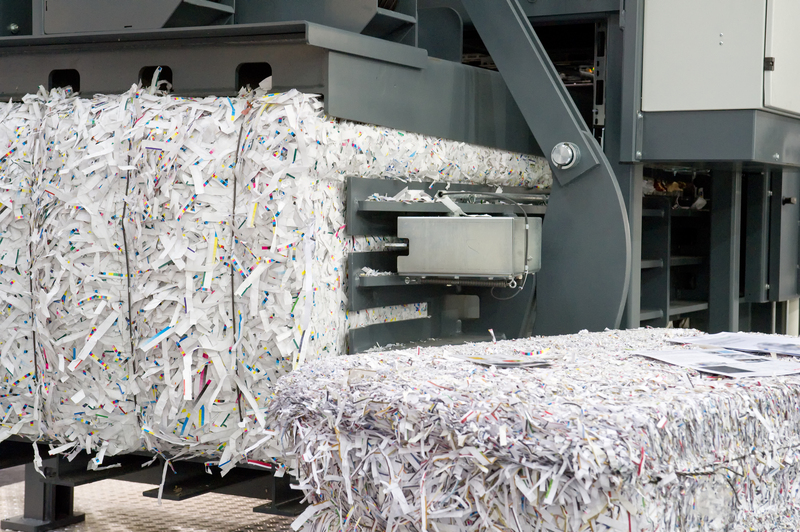
Table of Contents
- Why This Topic Matters
- Key Benefits
- Step-by-Step Guidance
- Expert Tips
- Common Mistakes to Avoid
- Case Study or Real-World Example
- Tools, Resources & Recommendations
- Law, Compliance or Industry Standards (UK-focused)
- Checklist
- Conclusion with CTA
- FAQ
Why This Topic Matters
Packaging and Cardboard Disposal for Businesses: Sustainability Tips isn't just a catchy phrase--it's a real opportunity. In the UK, packaging makes up a significant share of commercial waste. Government statistics indicate that the UK generates over twelve million tonnes of packaging waste annually, with paper and cardboard being a large proportion of that total. The encouraging bit? Corrugated cardboard is highly recyclable, and fibres can typically be recycled five to seven times before they become too short.
Here's the rub: recyclable doesn't mean recycled unless you set up the right processes. Rain-soaked boxes, food contamination, mixed streams--these can ruin a good batch. In our experience working with retailers, manufacturers, and hospitality teams across the UK, the difference between a costly waste programme and a revenue-positive recycling system often comes down to training, storage, space planning, and steady data.
One morning in Brixton, it was raining hard outside. The loading bay floor had wet footprints and you could almost smell the cardboard dust in the air. We asked the manager what was blocking progress. She sighed: "We don't really know what's recyclable when we're busy." That's common. But it's fixable--and faster than you think.
Key Benefits
Switching from ad-hoc disposal to a planned, sustainable approach brings a stack of advantages. Let's keep it real and practical:
- Cost reduction - Segregated cardboard often costs less to remove than general waste. With baling, you may earn rebates depending on market rates.
- Space and safety - Flattened or baled cardboard reduces trip hazards and fire risk, keeping walkways clear and staff safer.
- Compliance confidence - UK waste law expects businesses to follow the waste hierarchy, separate recyclables, and keep records. Good systems make audits easy.
- Carbon and ESG wins - Cardboard recycling lowers embodied emissions and supports your net-zero or ESG reporting (SECR, CDP, or internal dashboards).
- Brand reputation - Customers notice tidy, considered operations and responsible packaging choices. It signals you care--because you do.
- Operational flow - Right-sized packaging and better back-of-house layout cut time wasted wrangling boxes. That's real productivity.
- Supplier leverage - Clear recycling targets and data let you negotiate smarter with suppliers and waste contractors.
To be fair, the first week can feel awkward. New habits always do. But week two? You'll notice the floor space, the quieter bin area, the calm. That matters.
Step-by-Step Guidance
Below is a complete, practical roadmap for packaging and cardboard disposal for businesses--from audit to continuous improvement. Adapt it to fit your scale: whether you're a single-site cafe, a construction depot, or a national e-commerce brand.
1) Run a simple waste audit
Start by measuring what you've got. Over a normal week, track cardboard volumes, contamination hotspots (e.g., food, rain, tape), and who handles the waste at each step. A quick tally using a clipboard or a mobile form is fine; count bags, piles, and bale weights. Take photos so you can compare later.
2) Map your current process
Where do boxes enter? Where are they opened, flattened, and stored? Draw a basic flow from delivery to disposal. You'll quickly see bottle-necks--the cramped corner by the fire exit, the rainy yard pile, the overstuffed 1100L bin by the back door.
3) Redesign for the waste hierarchy
Follow the UK waste hierarchy: prevent, reduce, reuse, recycle, recover, dispose. Start by preventing waste at source. Ask suppliers for right-sized packaging and minimal void fill. Reuse clean boxes for returns or internal transfers. Then set up recycling as the default pathway, with general waste as the last resort.
4) Standardise packaging opening and flattening
Give staff a safe box-cutter and a simple method: slit tape, flatten, remove plastics and polystyrene. Put clear signage at the unpacking table. A laminated "Open-Flat-Stack" sheet beats a long policy document any day.
5) Segregate cardboard at source
Place dedicated, labelled containers for cardboard next to where it's generated. Use colour coding. Keep it dry at all times--moisture degrades cardboard quality and reduces rebates. If your yard is exposed, install covered cages or weatherproof containers.
6) Control contamination
Remove food scraps, greasy liners, plastic straps, and excess tape. A little tape won't ruin things, but large amounts can. Keep coffee cups and pizza boxes with heavy grease out of the cardboard stream. Mixed materials? Train for quick checks, not perfection paralysis.
7) Decide: bins, cages, or baler?
For small volumes, a dedicated 660-1100L cardboard bin may be enough. For medium to high volumes, consider a baler. Balers compress cardboard into denser bales--typically 50-500 kg--cutting collections, saving space, and often unlocking rebates. If you generate high volumes daily, a mill-size baler (400-500 kg bales) can transform your economics.
8) Set collection schedules and service levels
Agree on collection frequency with a licensed waste carrier. Avoid seasonal overflow by planning for peaks (Christmas rush, summer festivals). Don't be afraid to renegotiate once you have data--service levels should fit your real volumes, not guesses.
9) Keep records and data
Hold Waste Transfer Notes (WTNs), record bale weights, and log contamination incidents. A simple spreadsheet or shared document does the job. This data proves compliance, supports EPR packaging reporting, and makes future procurement smarter.
10) Train, coach, and refresh
Do a 15-minute toolbox talk for every new starter. Post signage with photos: "Cardboard Only," "Keep It Dry," "Remove Plastic Film." Review once a quarter. One small retail team in Manchester told us the two things that worked best were: a short training huddle and a bright sign that simply said, "Dry, Flat, Clean." Simple wins.
11) Close the loop with suppliers
Ask for FSC or PEFC certified cardboard, recycled content levels, and water-based inks. Trial recyclable paper tapes or reinforced Kraft tape to reduce plastic. Request box designs that are easy to flatten and reuse. Packaging engineers can optimise dielines to save material without sacrificing protection.
12) Monitor KPIs and iterate
Track cost per tonne, bale density, collection frequency, contamination rate, and incident reports. Celebrate progress. If you can, share monthly results with the team--people love to see the impact of their work. It keeps momentum alive.
A small moment from a warehouse in Leeds: after the first month with a baler, the supervisor smiled and said, "It's quieter back here. Less chaos." That's the sound of a system working.
Expert Tips
- Right-size packaging with data - Use order dimensions to pick the smallest suitable carton. Even a 5-10% reduction in box size slashes void fill and transport emissions.
- Choose smart tapes - Paper-based tapes with natural rubber adhesive can improve recyclability. Minimise plastic strapping unless structurally necessary.
- Avoid wet-strength barriers - Some coatings reduce recyclability. Ask suppliers to confirm compliance with recyclability standards (e.g., EN 13430 for material recycling).
- Aim for bale density - For mid/mill-size balers, target 300-500 kg/m?. Denser bales often secure better rebates and fewer collections.
- Keep it covered - Rain is the enemy. Use canopies, lidded bins, or indoor staging areas to prevent moisture contamination.
- Fire safety first - Don't stack bales too high; keep clear of heat sources; maintain egress routes. Your insurer will thank you.
- Renegotiate annually - Commodity prices move. If cardboard rebates rise, ask for improved rates or reduced service costs.
- Label by the task - "Cut, Flatten, Stack," "No Food or Cups," "Dry Only." Action labels beat policy speak when things get busy.
- Pilot, then scale - Trial new packaging for one product line. Check damage rates, returns, customer feedback. Then roll out.
- Tell your story - Share your recycling stats in staff rooms and on customer channels. It builds pride and trust.
One slightly cheeky tip: put the baler or cardboard store exactly where the mess used to be. People will use what's nearby. Yeah, we've all been there.
Common Mistakes to Avoid
- Letting cardboard get wet - Moisture kills value and can lead to rejected loads. Keep it dry: simple covers, quick transfers, indoor staging.
- Mixing streams - Plastic film, polystyrene peanuts, and food contaminate cardboard. Clear signage reduces mix-ups.
- Over-taping - Excess tape isn't necessary for most shipments and complicates recycling. Use as little as safely possible.
- Ignoring data - If you don't measure, you can't improve. Bale weight logs and collection counts are your friend.
- Under-training staff - One huddle per quarter beats a 40-page policy nobody reads. Show, don't just tell.
- Storing bales unsafely - Avoid blocking exits, over-stacking, or storing near ignition sources.
- Accepting poor service - If collections are late or rates look off, shop around. Better contracts exist.
- Skipping supplier conversations - Packaging changes upstream often deliver the biggest downstream savings.
Ever thought "we'll sort it later" and then it snowballed? Same. Tidy now saves twice later.
Case Study or Real-World Example
Company: South London e-commerce retailer (homewares, mid-volume, 1 warehouse, 28 staff)
Challenge: High cardboard waste, crowded aisles, two general-waste lifts per week, and no data. Staff complained about messy bays and slippery offcuts on wet days.
Actions taken:
- Introduced standard "Open-Flat-Stack" method with a 10-minute training huddle.
- Installed a mid-size baler (producing ~200 kg bales), added covered storage in the yard.
- Switched to right-sized cartons on top 12 SKUs and trialed paper tape.
- Set a weekly data routine: log bale weights, collection counts, contamination incidents.
Results (12 weeks):
- 38% reduction in total waste management costs.
- Two fewer collections per month (space and disruption saved).
- Rebate achieved for cardboard (market dependent, averaged ?60-?80 per tonne). Net-positive by month three.
- 42 staff-hours saved monthly due to fewer trips and clearer layout.
- Customer packaging complaints down thanks to better right-sizing.
One micro-moment stuck with the ops manager: "I walked in at 7:30am and it was... quiet. No boxes falling. No scramble. It felt under control." That feeling is worth something.
Tools, Resources & Recommendations
Hardware
- Balers - Choose size to match volume: small (50-100 kg), mid (150-250 kg), or mill-size (400-500 kg). Consider power supply, footprint, bale tying (twine vs wire), and safety interlocks.
- Covered containers and cages - Weather protection is essential in UK conditions.
- Safe cutting tools - Retractable-blade cutters reduce injuries, speed flattening.
- Moisture management - Simple tarps, canopies, or indoor staging racks.
- Pallet trucks and dollies - Make moving flattened stacks easy and safe.
Software & Data
- Simple spreadsheets - Track bale weights, collections, incidents, costs.
- Dashboards - Power BI or Google Looker Studio can visualise trends for multiple sites.
- EPR-ready data - Capture packaging placed on the UK market by material type for Extended Producer Responsibility reporting.
Standards & Guidance
- EN 13430 - Packaging recoverable by material recycling.
- ISO 14001 - Environmental management systems; useful framework.
- WRAP (Waste & Resources Action Programme) - Practical UK guidance on packaging and recycling.
- OPRL - On-Pack Recycling Label guidance for consumer communication.
- FSC / PEFC - Responsible fibre sourcing certifications.
To be honest, you don't need everything on day one. Start lean: a good cutter, a covered cage, and a simple log sheet. Grow from there.
Law, Compliance or Industry Standards (UK-focused if applicable)
UK waste and packaging law can feel complex. Here's the practical backbone relevant to packaging and cardboard disposal for businesses:
- Environmental Protection Act 1990 (Duty of Care) - You must take all reasonable steps to prevent the escape of waste, transfer it only to authorised persons, and keep records (Waste Transfer Notes). Keep cardboard secure and dry; use licensed carriers.
- Waste (England and Wales) Regulations 2011 - Requires the application of the waste hierarchy and, in many cases, separate collection of dry recyclables like paper/cardboard.
- Producer Responsibility Obligations (Packaging Waste) Regulations - Historically governed packaging recovery obligations; being replaced by Extended Producer Responsibility (EPR) for packaging. Under EPR, producers will fund the full net cost of managing packaging waste. Prepare by capturing accurate packaging data (weights, materials, formats).
- Packaging (Essential Requirements) Regulations - Requires packaging minimisation and suitability for recovery, including recycling. Work with suppliers to demonstrate compliance.
- Plastic Packaging Tax (PPT) - Not cardboard, but worth noting: encourages recycled content in plastic packaging. May influence your overall packaging mix and supplier choices.
- Duty of Care Code of Practice - Guidance on storage, segregation, and documentation. Follow it to reduce risk.
- Fire safety and insurers' guidance - Cardboard and paper are combustible. Maintain clear routes, avoid proximity to heat sources, and follow stacking limits.
If you operate across Scotland, Wales, or Northern Ireland, note local variations. For London sites, check borough collection requirements and any restrictions on storage in shared service yards. When in doubt, ask your waste carrier for written confirmation of compliance--then keep it on file.
Checklist
Daily
- Flatten cardboard at the point of unpacking.
- Keep the cardboard area dry, clean, and labelled.
- Remove plastic film, strapping, and food-contaminated pieces.
- Log bales produced (if applicable).
- Check that exits and walkways are clear.
Weekly
- Review collection schedule; adjust if bins are half-empty or constantly overfull.
- Do a quick contamination spot-check and share feedback with the team.
- Audit for rain ingress or damp--fix covers, adjust staging.
Monthly
- Summarise volumes, costs, rebates, and contamination incidents.
- Train (or re-train) key staff; refresh signage if it's damaged or ignored.
- Talk with suppliers about packaging design tweaks and recyclability claims.
- Review compliance documents: WTNs, carrier licences, insurance requirements.
Quarterly
- Negotiate service or rebate rates with market updates.
- Test one packaging improvement--right-sizing, paper tape, reusable totes.
- Report ESG metrics internally to keep momentum and morale high.
Conclusion with CTA
Getting packaging and cardboard disposal right is less about chasing perfection and more about building a reliable rhythm. A rhythm that turns piles into bales, stress into clarity, and costs into savings. Your team will feel it. Your customers will notice it. And your sustainability metrics will finally tell the story you've wanted to tell.
Start small. Keep it dry. Measure what matters. Improve month by month. You'll be surprised how quickly it clicks--like switching on a light in a room you didn't realise was dim.
Get a free quote today and see how much you can save.
And hey, if today feels like a lot--that's okay. Tomorrow is a good day to begin.
FAQ
What's the best way to dispose of cardboard for businesses?
Flatten it at source, keep it dry, remove major contaminants (plastic film, food), and store it in a covered, labelled container. For higher volumes, bale it and arrange regular collections with a licensed carrier. Simple, repeatable, and compliant.
Can I recycle cardboard with tape or labels on it?
Yes, a small amount of tape and labels is generally acceptable. Remove large plastic straps, heavy tape, and any non-paper inserts. Aim for "reasonably clean" rather than perfect.
Do wet or greasy boxes get rejected?
Often, yes. Wet or heavily soiled cardboard can be downgraded or rejected because it compromises fibre quality. Keep it dry under covers and separate out greasy food boxes (e.g., oily pizza boxes).
Is a baler worth it for my site?
If you produce more than a few 1100L bins of cardboard per week--or if collections are frequent and pricey--a baler often pays back within 6-18 months. It reduces volume, improves site safety, and can unlock rebates.
What size bales are typical?
Small balers make 50-100 kg bales; mid-size around 150-250 kg; mill-size 400-500 kg. Choose based on your volume, space, and handling equipment. Denser bales usually cost less to collect and may get better rates.
How do I ensure we're compliant with UK waste law?
Follow the waste hierarchy, separate cardboard for recycling, use licensed carriers, and keep Waste Transfer Notes. Store waste securely to prevent escape, and maintain clear fire exits. Review local council requirements if you're in a shared service yard or city centre.
What is Extended Producer Responsibility (EPR) for packaging?
EPR shifts the full net cost of managing packaging waste to producers. Businesses placing packaging on the market will need robust data (weights, materials, formats). It encourages design for recyclability and accurate reporting. Start capturing good data now.
We use void fill and bubble wrap--any sustainable alternatives?
Yes. Consider shredded cardboard, paper void fill, or on-demand paper systems. Better still, right-size boxes to reduce void in the first place. Paper tape can often replace plastic tape in standard applications.
How do I calculate ROI for a baler?
Compare current disposal costs (collections, bin lifts) vs. projected baler costs (lease or purchase, servicing) and potential rebates for baled cardboard. Add labour savings from fewer trips and better site flow. Most payback periods land within 6-18 months for moderate volumes.
What's the difference between a compactor and a baler?
A compactor compresses mixed waste into fewer, denser collections (great for general waste). A baler creates tied bales of recyclables like cardboard, which can be collected more efficiently and may attract rebates. Many sites use both.
Can we reuse cardboard boxes before recycling?
Absolutely. Reuse clean boxes for returns, internal transfers, or secondary packaging. Reuse first, then recycle--it follows the waste hierarchy and saves money.
Do we need special training or certification for staff?
No formal certification is required for basic segregation and baling, but safe operation training is a must. Cover blade safety, baler lockout/tagout procedures, manual handling, and fire safety. Keep a short SOP and run refreshers quarterly.
How often should collections happen?
As often as needed to avoid overflow and keep materials dry--weekly or biweekly is common. During peak seasons (e.g., Christmas), increase frequency. Use your volume data to set and refine schedules.
Can pizza boxes be recycled?
Lightly marked boxes may be accepted, but heavily greasy or food-smeared cardboard should not go into the paper stream. When in doubt, tear off the clean lid for recycling and dispose of the greasy base.
Do certifications like FSC or PEFC really matter?
They help demonstrate responsible sourcing and can support ESG claims. Combined with recycled content and recyclability, they strengthen your sustainability profile and can be a procurement requirement for some clients.
What's a quick win we can implement this week?
Introduce "Open-Flat-Stack" at the point of unpacking, add clear signage, and ensure covered storage. You'll see cleaner floors, fewer trips, and better recycling quality almost immediately.
In the end, this is about making work feel better--safer, tidier, more purposeful. You'll see why once you start.
