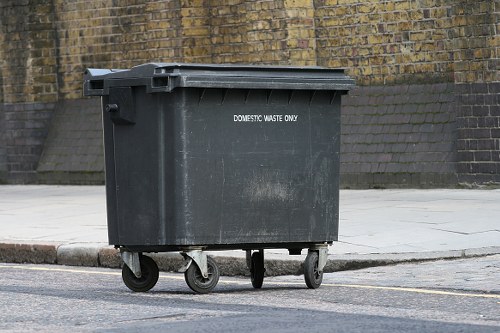
Complaints Procedure for Commercial Waste Removal Clapham
Purpose: This document sets out the formal process by which customers can raise concerns about commercial waste removal in Clapham and related service delivery. It provides a clear, lawful pathway for reporting, investigating and resolving complaints about commercial rubbish removal services, including missed collections, contamination, unauthorised access or damage arising from waste collection activities. The intention is to be fair, transparent and proportionate while protecting commercial interests and operational safety.Scope and applicability
This procedure applies to all business customers who use our Clapham-area commercial waste collection and disposal services, and to incidents that occur during crew operations, vehicle movements or waste handling at client premises. It is designed to handle complaints about Clapham commercial waste collection, invoicing disputes related to waste removal, and service-level queries. Complaints about statutory waste offences or third-party contractors engaged independently of the service agreement should be notified to the appropriate enforcement authority. Principles: Complaints will be managed promptly, objectively and confidentially. Our approach is to acknowledge receipt quickly, investigate thoroughly, keep the complainant informed, and close matters with a recorded outcome and any remedial action. This process supports continuous improvement of commercial waste and rubbish collection Clapham services and ensures consistent standards.
How to make a complaint
To lodge a formal complaint about commercial waste removal in Clapham, provide the following information where possible:- Company name and account reference
- Service address and nature of the complaint
- Date(s) and times of the incident
- Names of any operational staff involved, if known
- Photographic evidence or other supporting documentation
Acknowledgement
On receipt of a complaint we will issue an acknowledgement and a unique reference number. Acknowledgement confirms that the complaint has been logged and provides an initial indication of expected response times. Acknowledgements do not prejudice the outcome of the investigation. Prompt recognition of issues helps to focus resources where they are most needed. Initial assessment and prioritisation: Complaints are triaged to determine severity, safety implications and potential environmental harm. High-priority issues such as spillage, contamination, injury, or obstruction will be escalated immediately for operational response. Lower priority matters will be investigated in normal business timeframes. Where possible, interim actions may be taken to mitigate risks while a full investigation is carried out.
Investigation process
Investigations will be thorough and documented. They typically include review of collection records, vehicle telemetry, crew statements and any third-party evidence. Investigators will aim to establish:- What occurred and when
- Whether the service agreement or operational procedures were followed
- What remedial action is required to resolve the complaint
Outcome and resolution
Where a complaint is upheld, we will set out the remedial actions to be taken. These may include re-collection, reimbursement where appropriate, operational changes or targeted training. Where a complaint is not upheld, the complainant will receive a written explanation of the reasons and the evidence considered. All outcomes will be recorded and retained for future reference.Escalation: If a complainant is dissatisfied with the outcome, there is an internal escalation route to senior operations management. Escalation requests should cite the complaint reference number and reason for continued concern. The escalation stage provides independent review by a senior manager who was not involved in the initial investigation.
Timescales and monitoring
We aim to acknowledge complaints within two business days and to complete investigations within ten business days wherever practicable. Complex matters that require extended enquiries or involvement of third parties may take longer; in such cases, the complainant will be kept informed of progress and given revised timescales. Records of complaints, investigations and outcomes are maintained for quality assurance and compliance purposes.Confidentiality and data handling
All personal and commercial data supplied as part of a complaint will be handled in accordance with applicable data protection laws. Information will only be used for the purpose of investigating and resolving the complaint, improving service delivery, and for statutory reporting obligations. We strive to protect commercially sensitive material and limit disclosure to those who need to know during the investigation. Learning and continuous improvement: Complaints about waste collection services are reviewed to identify recurring issues and system weaknesses. Lessons learned feed into training, process change and performance monitoring. This ensures that our rubbish collection Clapham operations remain compliant, efficient and responsive to the needs of business customers. The organisation is committed to a fair, accountable and documented complaints handling culture.
Record keeping and audit: Detailed records are retained for a period consistent with regulatory and contractual obligations. Audits of complaints handling are conducted periodically to ensure adherence to this procedure and to verify that appropriate corrective actions were implemented following upheld complaints.
Remedies and limitations: Remedies are proportionate to the nature of the complaint and may be limited by contractual terms or statutory constraints. Where commercial arrangements limit liability, those terms will be applied fairly and transparently. This procedure is without prejudice to any statutory rights of enforcement held by regulators or third parties.
Review of the complaints procedure: This complaints process will be reviewed periodically to ensure it remains effective and aligned with best practice for commercial waste and commercial rubbish removal services. Updates will reflect changes in regulation, operational practice and customer expectations. The review cycle ensures ongoing compliance and continual improvement.
