Commercial Waste Removal in Clapham
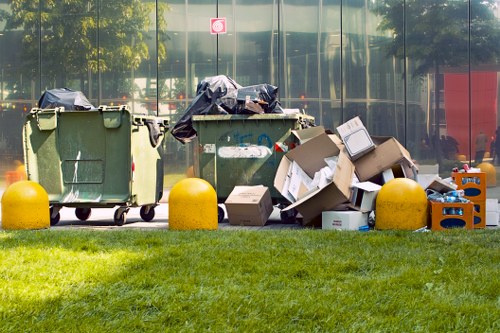
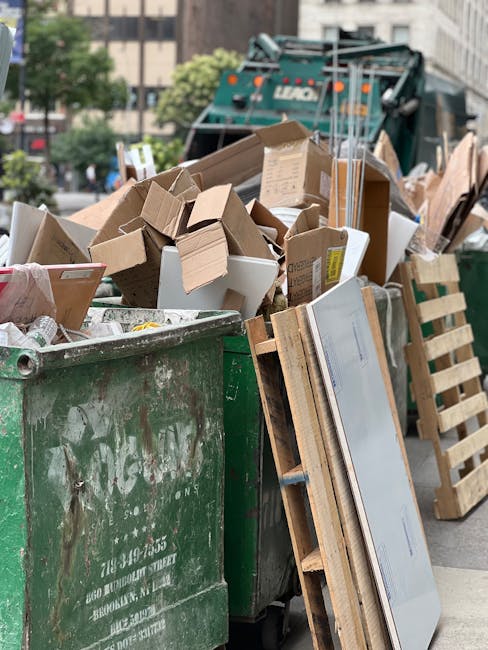
Commercial waste removal in Clapham should be straightforward, orderly and suited to the way your business actually works. We provide a practical collection service for day-to-day trade waste, bulky office items and mixed non-hazardous waste, with a focus on clear sorting and responsible handling. If you need space back in a shop, workspace, storeroom or shared premises, our service is set up to take away waste without adding unnecessary disruption.
The main job is to remove unwanted commercial materials efficiently and route them towards appropriate disposal or recovery where possible. That can include routine clearances, one-off uplift work and scheduled help after refits, moves or stock changes. Pricing and quotes are best discussed against the actual waste type and access, because the mix of items, volume and loading conditions all affect the work involved.
For businesses that want a simple next step, the cleanest approach is to outline the waste type, note any access limits and say when the collection needs to happen. You do not need to overcomplicate the request; a short description is usually enough to start. If you are comparing options, our core service pages give a useful view of the types of work we can support before you ask for a quotation.
Waste Collection for Offices, Shops and Shared Premises
Commercial waste often builds up in different ways depending on the workplace. Offices may need help with desks, chairs, filing materials and general clear-outs, while retail premises often generate cardboard, packaging and redundant display stock. Shared buildings can also need mixed collections that have to be handled carefully so corridors, service yards and loading points stay usable while waste is removed.
Our office clearance and business waste removal pages are useful if you are planning a wider clear-out or repeated collections rather than a single item lift. Those services suit businesses that want waste dealt with in a way that matches the scale of the premises, whether the load is light and regular or more substantial after reorganisation. The aim is always to keep removal practical and controlled.
What is commonly taken away
- General office waste and redundant furniture
- Retail packaging, display materials and mixed store waste
- Items left after internal moves or changes to the layout
- Loose waste collected from back-of-house areas and stock rooms
Bulky Furniture, Fixtures and Interior Clearances
Many commercial jobs involve larger objects rather than loose rubbish. Desks, cabinets, seating, shelving and other bulky fittings can be awkward to move through tight spaces, so a careful approach matters. We handle removal in a way that takes account of stairs, narrow access and the need to avoid damage to floors, walls or common parts where the building is shared.
Where a workplace is refreshing its layout, it can be useful to separate reusable items from material that is only fit for disposal. Our furniture clearance and furniture disposal pages cover that kind of work. The first is often relevant when several pieces need clearing together, while the second is better suited to items that are no longer wanted and need removing cleanly from the premises.
Careful handling is especially important when furniture has to pass through shared entrances or busy internal routes. It is also worth deciding in advance whether the item list includes fixed storage, loose furnishings or both, because that changes the time needed on site. A well-described request makes it easier to prepare a sensible quotation and plan the collection properly.
Clearances for Homes, Flats and Mixed Property Use
Although this page is focused on commercial waste removal, some work overlaps with other kinds of property clearance. Businesses sometimes need help after tenant changes, small refurbishments or the emptying of rooms that have collected a mixture of domestic-style and workplace items. In those cases, the practical issue is the same: the waste needs to be removed safely, sorted where appropriate and taken away without holding up the next stage of use.
For larger mixed clearances, the home clearance, house clearance and flat clearance pages show the broader types of removal work available. They are helpful if your request involves a property rather than just a workspace, especially where furnishings, bagged waste and stored items have all been left together. The right service depends on what is actually on site, not just the building type.
If your premises combine business and residential use, keep the description simple and factual. Say which rooms, stored items or waste streams are involved, and note whether the collection is from one floor or several. That information makes it easier to identify the most suitable service and avoids confusion when different kinds of items are mixed together.
Garden, Garage and Ancillary Waste
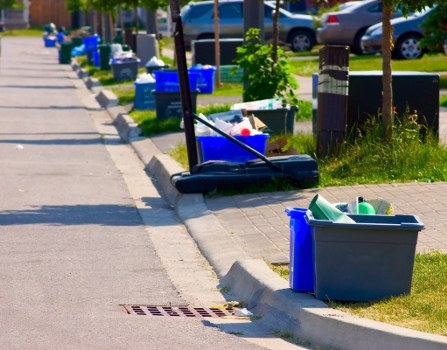
Some commercial sites produce waste outside the main working area, particularly where there are outdoor stores, service yards, small landscaped sections or maintenance spaces. Green waste, broken fixtures, old tools and general accumulated clutter can all need a separate uplift. We can help clear ancillary spaces where the waste is no longer useful and needs to be removed before the area can be used properly again.
Where the material is mostly outdoor or storage-based, garden clearance and garage clearance are relevant pages to review. They suit different types of side-space removal, from cuttings and soil-contaminated debris to stacked household or trade items that have ended up in a garage or similar store. The exact contents matter more than the label on the room.
Useful details to include in an enquiry are the types of waste present, whether it is loose or bagged, and whether access is through a yard, driveway or internal route. If there are mixed items, list the main categories first. That keeps the quotation process focused and helps avoid back-and-forth once the collection is being arranged.
Specialist Items and Non-Standard Waste
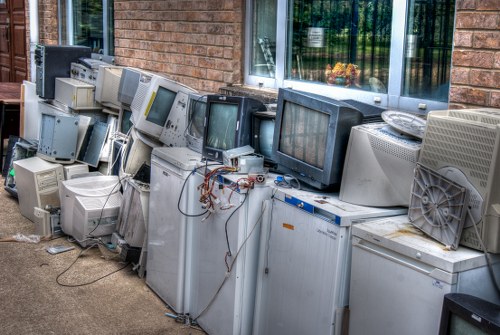
Some commercial waste cannot be treated as ordinary general rubbish. Fridges, certain appliances and other larger items need the right handling because of their materials, weight and disposal route. We can help with these kinds of removals where the item falls within the accepted waste stream and where the collection can be carried out safely in the building or outside it.
If your request includes a fridge, freezer or other appliance, our fridge and appliance removal page is the best place to start. For mixed loads that also contain old mattresses or soft seating, the mattress and sofa disposal page is more specific. These pages help distinguish between ordinary furniture, appliance waste and items that need handling under a different disposal route.
Not every item can be taken with general waste, and that is a useful distinction rather than a complication. If there are unusual materials, very heavy objects or anything that may fall into a controlled category, say so clearly at the enquiry stage. Where necessary, we can help separate what belongs in a standard collection from what needs a different approach.
Hazard, Security and Disposal Controls
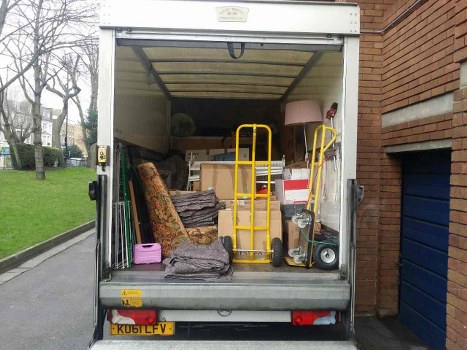
Commercial waste work is not only about lifting items away; it is also about handling them responsibly once removed. Some premises generate waste that needs stricter control, whether because of sensitive documents, potentially risky materials or items that should not be mixed with ordinary rubbish. Our service is set up to support responsible disposal decisions rather than treating every load as the same.
If your business needs secure destruction for records or paperwork, the confidential shredding page is relevant. Where the issue is a material that may be classed as hazardous or requires special handling, the hazardous waste disposal page is the better fit. These services are not interchangeable, and identifying the correct one at the start helps avoid delays and improper sorting.
It is also sensible to think about what must stay separate from the waste stream. Batteries, liquids, chemicals, confidential papers and mixed materials can all change how a collection is planned. If your premises generate any of these, note them clearly and keep the description specific. The more accurately the waste is described, the easier it is to direct it to the right disposal process.
About Clapham
Clapham is a district in south London within the London Borough of Lambeth, known for the large green space of Clapham Common and for its long-established transport links. The area takes its name from the former village that grew up around a historic green, and its streets still show a varied mix of older terraces, later residential development and commercial frontages. Clapham Common is one of the best-known landmarks locally, with open grassland, tree-lined paths and recreational areas that have long shaped the character of the district. Nearby, Clapham Old Town preserves a more village-like centre around The Pavement and older buildings that reflect the area’s earlier development. Clapham South, Clapham North and Clapham High Street are linked by Underground and rail services, and the district is also crossed by major roads that connect it to neighbouring parts of south London. The area has a lively social and cultural profile, with independent shops, cafés, pubs and community venues contributing to daily life. Historic churches, local conservation areas and residential squares add further variety to the built environment, while the Common provides a substantial public open space for sport, walking and informal gatherings. Together these elements give Clapham a character that is both urban and green, with a strong sense of local identity rooted in its older village origins and its later growth as part of London’s wider expansion.
Pricing Factors and Collection Planning
Commercial waste removal is usually quoted according to the nature of the job rather than by a single fixed figure. Main factors can include the volume of material, the type of items, the time needed to load them and how accessible the waste is once on site. A few bulky objects in a ground-floor storage room will naturally involve different work from a mixed clearance in a multi-storey building with narrow access.
That is why our pricing and quotes page is a helpful next step if you want to understand how quotations are put together. It is also worth checking the book online page if you want to move from an initial enquiry to an arranged collection. Keep the description focused on the waste itself, then use the options that suit how quickly you want to proceed.
Useful preparation is usually straightforward: identify the main waste categories, mention any difficult access points and say whether loading is from inside the building or from an external area. Clear information helps the quotation reflect the actual work. If the waste is mixed, a simple breakdown by item type is better than a vague general description.
Recycling, Responsibility and Final Enquiries
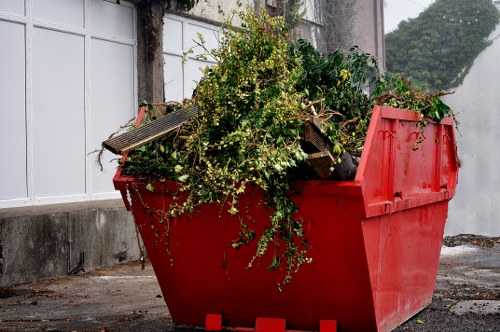
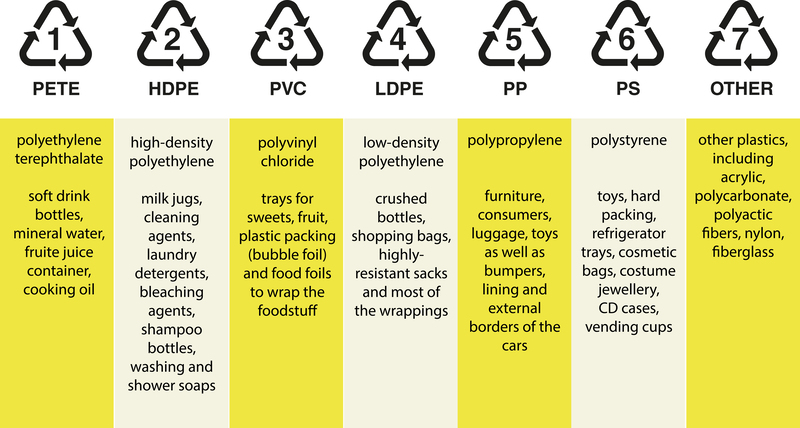
Where waste can be separated for recovery, we aim to keep that process sensible and manageable. Not every load is the same, but commercial collections often include materials that can be sorted more effectively when they are identified properly before uplift. That is one reason a clear description matters: it supports the right route for removal and helps reduce avoidable handling later on.
The recycling and sustainability page gives a broader view of how materials may be managed after collection, while insurance and safety explains the practical care that should sit behind site work of this kind. If you want a fuller picture of the business side of the service, about us provides further background. Those pages sit alongside the core removal service and can help you decide what to ask for.
If you need commercial waste removed in Clapham, send a short description of the waste and the access involved, and then request a quotation. For a direct starting point, please use the contact options on the site and ask for the collection that matches your premises. We’ll take it from there.