What to know before booking rubbish clearance in Clapham North
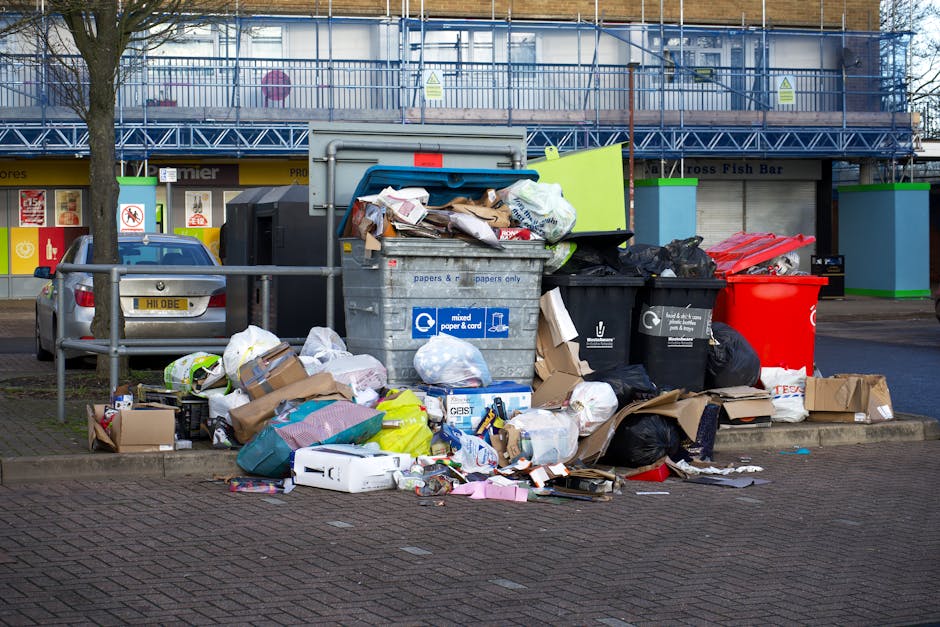
If you are planning a clear-out, renovation, move, or just trying to reclaim a hallway that has quietly become a dumping ground, then what to know before booking rubbish clearance in Clapham North matters more than it first seems. A good clearance job should feel simple: the rubbish goes, the space opens up, and you do not spend the afternoon stressing about parking, access, or whether that old fridge can actually be taken away. But, to be fair, the details are where people get caught out.
This guide breaks down the practical things worth checking before you book. You will learn how the service usually works, what affects price, which items need extra care, and how to avoid the sort of annoying surprises that turn a tidy job into a messy one. If you want a smoother experience, a safer site, and fewer last-minute headaches, you are in the right place.
- Why it matters
- How rubbish clearance works
- Key benefits
- Who it is for
- Step-by-step guidance
- Expert tips
- Common mistakes
- Tools, resources and recommendations
- Law, compliance and best practice
- Options and comparison
- Real-world example
- Practical checklist
- Conclusion
- Frequently asked questions
Why What to know before booking rubbish clearance in Clapham North Matters
Rubbish clearance is not just about removing unwanted items. It is about choosing the right method, the right crew, and the right timing for your property, your street, and your budget. In Clapham North, where flats, terraces, basement properties, shared entrances, and tight parking can all come into play, small details make a big difference.
If you book blindly, you may end up paying for more volume than you need, discovering that certain items require specialist handling, or finding that access is more awkward than expected. And once a team is standing outside with a van and a schedule, it is a bit late to start measuring the lift, really.
Good planning helps with more than cost. It reduces stress, lowers the chance of damage, and makes it easier to separate reusable items from waste that should be recycled or processed properly. If your clearance involves bulky furniture, builders' waste, or mixed household rubbish, it is worth understanding the service before you commit. For some jobs, a focused option like house clearance or flat clearance may suit you better than a general uplift.
Expert summary: The best rubbish clearance booking is the one that matches your access, your waste type, and your timeline. Get those three right, and everything else becomes much easier.
How What to know before booking rubbish clearance in Clapham North Works
Most rubbish clearance services follow a fairly straightforward process. You describe what needs removing, the provider estimates the load and the work involved, and then a team arrives to collect, sort, load, and transport the waste. Simple enough. The tricky part is making sure your description is accurate.
In practice, the quote often depends on a few things:
- the amount of rubbish, usually measured by load size or volume
- the type of items, such as furniture, appliances, green waste, or builders' rubble
- access conditions, including stairs, narrow hallways, or limited parking
- how quickly the work needs to be done
- whether any items need special handling or disposal
Some customers prefer a full-service option because they want the team to do the lifting and clearing from awkward areas like lofts, garages, or overfilled spare rooms. Others only need help with a specific category of waste, such as builders waste clearance, garden clearance, or office clearance.
The booking itself is usually the easy bit. The better question is: what exactly are you asking them to clear, and can they do it safely and legally? If you are unsure, ask before you book. That one conversation can save a lot of back-and-forth later.
Key Benefits and Practical Advantages
There is a reason people choose rubbish clearance instead of trying to do everything themselves. It saves time, yes, but the real value goes deeper than that.
- Less physical strain: Heavy furniture, broken appliances, and bagged waste can be awkward and risky to move without help.
- Faster turnaround: A team can often clear in one visit what might take you several weekends.
- Cleaner finish: Good clearance work leaves the space usable, not half-done.
- Better waste sorting: Reusable and recyclable items can often be separated from general waste.
- Lower stress: You do not have to juggle van hire, loading, disposal runs, or timing.
There is also a practical local benefit. In busy parts of London, quick and organised clearance can help avoid awkward scenes where rubbish is piled on the pavement for too long. Nobody wants a corridor of bin bags outside the building on a damp Wednesday morning. Not ideal.
For bulky items, it can be especially helpful to look at dedicated services such as furniture clearance, mattress and sofa disposal, or fridge and appliance removal. Matching the service to the waste type tends to improve both pricing and outcome.
Who This Is For and When It Makes Sense
Rubbish clearance in Clapham North makes sense for a lot of different situations, and not all of them involve a full house overhaul. In our experience, people usually book when one of the following is happening:
- they are moving out and need to leave the property empty
- they are renovating and have accumulated builders' debris
- they are clearing a rental flat between tenancies
- they have inherited items and need a sensitive, practical clear-out
- they have furniture, appliances, or clutter that will not fit in regular bins
- they need a one-off business clearance or office reset
It is also useful when the job is too much for a standard car boot run to the tip. Let's face it, if you are staring at a broken wardrobe, two bagged mattresses, a rusted exercise bike, and three old paint tins, the "I'll do it myself this weekend" plan tends to dissolve quickly.
For home-based jobs, you might find a broader option such as home clearance or loft clearance more appropriate. For business premises, business waste removal may be the better fit if the items are commercial rather than domestic.
Step-by-Step Guidance
If you want the process to go smoothly, treat the booking like a small project. Nothing fancy. Just a bit of structure.
- List everything that needs removing. Walk through the space and note large items, loose rubbish, and any awkward waste.
- Sort by type. Separate furniture, green waste, builders' material, electricals, and anything potentially hazardous.
- Check access. Measure doorways, stairwells, and lifts if needed. Notice parking restrictions, too.
- Ask about exclusions. Some items need specialist handling, especially chemicals, gas bottles, or certain electrical waste.
- Request a clear quote. Make sure you understand what is included, how pricing works, and whether labour is part of the price.
- Confirm the schedule. Think about your own timetable, building access, neighbour sensitivities, and whether you need a morning or afternoon slot.
- Prepare the site. Move personal items, unlock shared entrances, and make the load easy to reach if possible.
- Review the outcome. Once the clearance is done, check that the agreed areas are clear and that nothing important was removed by mistake.
A quick photo or two can help a lot when you are asking for a quote. It is not glamorous, but it works. A visual reference often prevents misunderstandings about scale, especially when a room looks tidy until you realise the "small pile" is actually hiding half a garage.
Expert Tips for Better Results
Here are a few field-tested tips that make a real difference.
- Be precise about volume. "A bit of rubbish" is hard to quote. "Eight black bags, a wardrobe, and a broken washing machine" is much better.
- Flag access issues early. If there is no lift, restricted parking, or shared stair access, say so before booking.
- Keep hazardous items separate. If something could be a compliance issue, do not leave it mixed into general waste.
- Ask about recycling routes. A responsible provider should be able to explain how items are sorted and where recyclable material goes. You can also look at their recycling and sustainability approach.
- Choose the right service category. A targeted service usually performs better than a vague one-size-fits-all job.
One small thing people often overlook: timing. A late afternoon slot can be awkward if you live in a busy block and need the hallway clear before evening foot traffic picks up. A morning job can feel much calmer. Fewer interruptions, less noise, fewer "sorry, can you move that for a second?" moments.
And yes, the weird old lamp in the corner counts as rubbish if nobody wants it. We have all had one of those.
Common Mistakes to Avoid
Most problems in rubbish clearance come from assumptions. The customer assumes one thing, the provider assumes another, and suddenly the van is too small, the quote changes, or the item list is incomplete. Avoid the usual traps:
- Underestimating the load. A room full of small items can take more space than you think.
- Not mentioning stairs or access limits. Extra carrying time can change the job significantly.
- Mixing prohibited items into normal waste. That can cause the collection to be delayed or refused.
- Leaving valuables in the pile. Once a clearance starts, clutter can hide important papers, chargers, tools, or keepsakes.
- Booking only on price. Cheap quotes can become expensive if exclusions appear later.
Another common one: people forget to tell the provider about hidden storage areas. That back room, loft nook, or garden shed often contains more than it first looks like. A quick check beforehand saves the embarrassing moment of saying, "Oh, there's another bit as well."
Tools, Resources and Recommendations
You do not need fancy tools to prepare for rubbish clearance, but a few basic things help:
- Phone camera: Use it to photograph the items and access route before booking.
- Simple inventory list: Write down what stays and what goes.
- Measuring tape: Handy for bulky items, stair turns, and doorways.
- Sticky notes or tape labels: Mark anything that must not be removed.
- Bin bags and boxes: Keep loose items grouped so the area is easier to assess.
For people who want a better understanding of what can usually be loaded, the page on what can go in a skip is a useful reference point, even if you are booking collection rather than a skip. It helps you think in categories: inert waste, mixed waste, furniture, appliances, and anything that may need special treatment.
If your job involves sensitive documents or records, you may also want to consider confidential shredding. For a commercial office move, that sort of detail can be just as important as clearing desks and chairs.
Law, Compliance, Standards, or Best Practice
Waste removal in the UK is not just a matter of loading things into a van and driving off. Reputable operators should handle waste lawfully, keep appropriate records where required, and separate out items that need different treatment. As a customer, you do not need to become a compliance expert, but it helps to know the basics.
General best practice is straightforward:
- do not put hazardous materials into standard mixed waste unless the provider has confirmed they can take them
- be honest about the waste type, especially if it includes electrical items, fridges, chemicals, or building debris
- expect the provider to dispose of waste responsibly and not just dump it somewhere unsuitable
- ask whether the company has clear health and safety procedures and insurance in place
It is perfectly reasonable to ask questions. In fact, you should. A professional team should welcome that. If a company seems vague about safety or how waste is managed, that is a signal to pause. You are not being difficult; you are being sensible.
You can also review supporting pages such as health and safety policy, insurance and safety, and hazardous waste disposal to understand how a service approaches higher-risk items. For business users, office clearance and business waste removal are especially worth reviewing before booking.
Options, Methods, or Comparison Table
Not every clearance job needs the same method. Choosing well can save money and hassle. Here is a simple comparison to help you weigh up the common options.
| Option | Best for | Strengths | Watch-outs |
|---|---|---|---|
| General rubbish clearance | Mixed household or commercial waste | Flexible, quick, often one visit | Needs accurate waste description |
| Targeted item removal | Bulky furniture, appliances, mattresses | Efficient and easier to price | May not suit mixed loads |
| Room or property clearance | Flats, houses, lofts, garages | Good for big declutters and moves | Access and labour need checking |
| Builders' clearance | Renovation waste, rubble, timber | Better for construction debris | Heavy waste can change load requirements |
| Garden clearance | Soil, branches, cuttings, outdoor clutter | Useful after seasonal work or landscaping | Wet green waste is bulkier than it looks |
If you are still unsure, think about the waste itself first and the building second. That usually points you in the right direction. A sofa removal job is very different from clearing a loft full of mixed boxes, and a builders' load is another world again.
Case Study or Real-World Example
A typical Clapham North scenario might go like this. A couple in a second-floor flat are moving out after several years. They have a broken bed frame, two wardrobes, three bags of general clutter, an old microwave, and a stack of boxes from the cupboard under the stairs. Nothing dramatic, but it is more than a normal bin run.
At first, they think they only need help with the furniture. Then they look again and realise there is a lot of loose waste mixed in with it. The stairwell is narrow, the front door opens directly onto a shared entrance, and parking is limited in the afternoon. So they take a few photos, make a simple list, and ask for a quote that includes the whole load rather than just the obvious items.
That changes everything. The provider arrives with the right expectations, the team can plan the lift carry properly, and the job is done without that awkward "we didn't know about the boxes" moment. It is not glamorous, but it is the sort of real-life planning that makes a job feel easy.
For similar situations, a service like furniture disposal or house clearance may be more suitable than a broad general collection, especially if there are bulky items taking up the main space.
Practical Checklist
Before you book, run through this checklist. It takes five minutes and can save a lot of hassle.
- Have I listed every item that needs removing?
- Have I identified anything hazardous, electrical, or unusually heavy?
- Do I know whether access is straightforward or awkward?
- Have I checked whether parking or loading space is available?
- Have I taken photos of the load and the route if needed?
- Do I know whether I need a general, domestic, commercial, or specialist service?
- Have I asked what is included in the quote?
- Have I kept personal items and valuables out of the pile?
- Do I understand how payment works?
- Have I looked at the provider's policies on safety and disposal?
If the answer to most of those is yes, you are in good shape. If not, pause for a moment and tidy up the brief before confirming. A little preparation now is much easier than trying to fix confusion on the day.
Get a free quote today and see how much you can save.
Conclusion
Knowing what to know before booking rubbish clearance in Clapham North comes down to three things: clarity, access, and the right type of service. Once you understand the load, the location, and any special items, the rest of the booking becomes much more straightforward.
That is the real win here. Not just getting rid of waste, but doing it in a way that feels organised, safe, and properly handled. Whether you are clearing a flat, a loft, a garden, or a workspace, the better you prepare, the smoother the day will be. And honestly, when the last bag is gone and the space finally breathes again, it feels pretty good. Fresh start, clean floor, no drama. Lovely.
Frequently Asked Questions
What should I tell a rubbish clearance company before booking?
You should describe the type of waste, how much there is, where it is located, and whether access involves stairs, lifts, or parking restrictions. The more accurate the description, the better the quote and the smoother the collection.
How do I know if I need general rubbish clearance or a specialist service?
If your waste is mixed and ordinary, general clearance may be enough. If it is mainly furniture, appliances, builders' debris, garden waste, or office items, a more specific service often makes better sense.
Can rubbish clearance include heavy or bulky items?
Yes, many services handle bulky items such as wardrobes, sofas, mattresses, and appliances. It is wise to mention these in advance because they can affect labour, vehicle space, and disposal requirements.
What items are commonly excluded from standard clearance?
Items that may need special handling include certain hazardous materials, chemicals, gas bottles, and some electrical or contaminated waste. Always ask before booking if you are unsure.
How can I avoid hidden costs?
Be specific about the load, ask what the quote includes, and mention access issues early. Hidden costs usually appear when the real job turns out to be larger or harder than described.
Do I need to be present during the clearance?
Often, yes, especially if the team needs access arrangements or if you want to point out specific items. Some jobs can be arranged with clear instructions, but that depends on the provider and the property.
Is rubbish clearance suitable for flats in Clapham North?
Absolutely. Flats are a very common reason people book clearance, especially where stairs, shared entrances, and limited parking make self-removal awkward. A flat-focused service can be a real help.
What happens to the rubbish after collection?
That depends on the provider and the waste type, but responsible services sort items for recycling, reuse, or proper disposal where required. It is sensible to ask how the waste is handled before you confirm.
Can I include electrical items like fridges or microwaves?
Often yes, but electricals and appliances may need separate handling. A fridge, for example, is not treated the same way as ordinary household rubbish, so mention it clearly when enquiring.
How long does a typical rubbish clearance take?
It depends on the amount of waste, access, and whether items are bulky or scattered around the property. A small collection may be quick, while a full clearance can take much longer. There is no one-size-fits-all answer, annoyingly.
Is rubbish clearance better than hiring a skip?
It depends on the job. A skip can suit ongoing projects, but clearance is often better if you want the team to do the lifting, especially where parking, access, or item sorting is a concern.
What is the best way to prepare for a clearance visit?
Make a clear list, separate valuable items, check access, and keep prohibited waste apart. A tidy, well-labelled space makes the visit faster and usually avoids misunderstandings.
Can businesses in Clapham North use rubbish clearance services too?
Yes, businesses often use clearance for offices, stockrooms, refurbishments, and routine waste removal. If the waste is commercial, it is worth choosing a service that specifically handles business waste rather than assuming a domestic option will suit.
Who should I contact if I have a question before booking?
If you still have questions, the most sensible next step is to reach out through the company's contact page and ask about your specific load, access, and timing. A brief conversation usually clears up more than a long guess ever will.